

Outfoxed
The strange story of Australia's most wily invasive species (11 minute read)

Among the well-read books on my childhood bookshelf was Roald Dahl’s tale of a cunning fox who outwitted three farmers: Fantastic Mr Fox. The farmers’ futile efforts to kill Mr Fox and his family escalated from attempting to shoot him when he left his burrow, to digging him out, to destroying half of a hill with mechanical diggers, to a long-running siege. Mr Fox, meanwhile, dug his way into Boggis’s henhouse, Bunce’s giant storehouse and Bean’s cider cellar, gathering a magnificent feast.
There’s no doubt who the hero was in that story. The farmers were as nasty and mean as any man you could meet, while Mr Fox was just trying to feed his family. But Mr Fox was too flagrant a thief, bringing the ire of the farmers onto not only his family, but all the other burrowing animals who lived on the hill.
In making Mr Fox a questionable hero, Dahl was drawing on more than a thousand years of literary tradition. From Reynard the fox in Europe, to the kitsune of Japan to the desert fox guarding the oasis in Mauritania, foxes are portrayed as clever, although often selfish or tricksters. Our language shows an admiration for the fox, with outfox meaning to outwit someone, and fox being applied in various ways to people considered attractive. However, the expression a fox guarding the henhouse also acknowledges that foxes are predatory.
The foxes which appear in our storybooks are distinctive and striking animals, with large ears, red-brown coats and magnificent bushy tails. In English, they are commonly called the red fox, but this name can be misleading. Across their entire range, the red fox comes in many colours. Some are almost entirely black, some are grey, some have white-tipped hairs over a dark coat, making them appear silvery, and some are a pale sandy colour. On average, they only weigh as much as a large and well-fed domestic cat, although in height and length they are larger.
Red foxes are native throughout the Northern Hemisphere, from Europe and North Africa to East Asia and the north-west of North America. This is the largest native range of any land mammal (with the exception of humans depending on how you define where we come from). They differ from species such as the house mouse, brown rat and ship rat, which were originally native to smaller areas then spread in the environments created by humans. Red foxes were found across this vast area long before humans arrived.
The expansion of humans, and the environmental changes we caused, was disastrous for many species, but not the fox. Foxes aren’t strictly carnivores and their natural diet includes a small amount of fruit and invertebrates such as insects and worms. The flexibility of their diet allowed them to find food near human settlements, which offered plenty of rats and mice to hunt, as well as scraps to scavenge.
There’s another reason foxes thrived as humans modified the environment, too. We’ve killed off many larger and more aggressive carnivores, or at least driven them to more remote areas. Foxes now have less competition and in many areas they are the largest wild carnivore. As a result, they sometimes find themselves in conflict with humans, as Mr Fox did, because they are preying on our chickens or even just tearing open rubbish bags to get our food scraps.
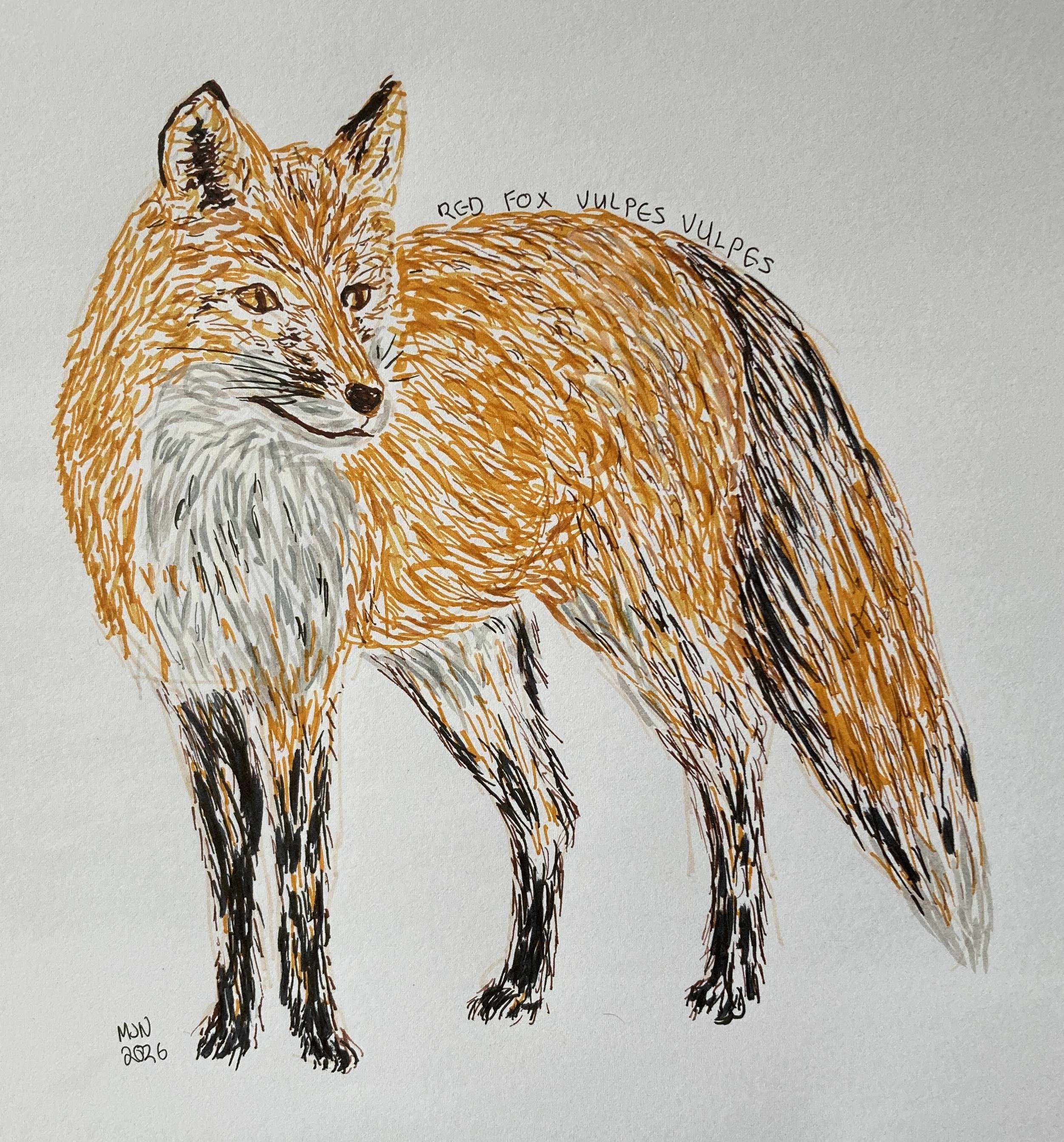
In sixteenth century England, foxes were considered enough of a pest that a bounty of 12 pence was paid for every fox head. Presumably, this motivated some people to hunt them, but it would have been mainly farmers. A couple of centuries later, hunting foxes on horseback with packs of hounds was established as a sport in England, possibly because deer numbers were declining and the wealthy looked for another quarry to hunt. At around the same time, changes in land law encouraged the construction of fences and hedges, making the hunts part chase and part obstacle course. By the nineteenth century, fox hunting was the pre-eminent sport of the British upper class.
Fox hunting was, obviously, not great for the foxes being hunted. While they are sometimes regarded as a pest in Britain, having them pursued then torn apart by a pack of dogs is neither an efficient nor, arguably, humane method of pest control. Some farmers pointed out that the galloping horses and packs of hounds did more damage to their fields than foxes. Despite efforts of a well-funded lobby group to defend fox hunting as protecting the tradition of our ancestors, live hunting was banned in 2005. Before then, though, fox hunting had already had disastrous impacts far beyond British shores.
When English colonists in eastern North America and Australia wanted to experience fox hunting as they did at home, none but English red foxes would do. By the time of American independence red foxes from England had been introduced to Maryland and were spreading. But the native red fox was spreading, too, as it found the conversion of forests to farmland by the colonists to its liking. While the foxes were all the same species, the red fox is extremely variable across its very large range, and there are more than 40 distinct types, known as subspecies. The foxes now found in North America are a mix of English and the original American foxes. The English subspecies of fox now threatens some American subspecies, either by out-competing them or breeding with them, but it doesn’t threaten the species overall.
In Australia, though, the red fox has had a much more profound impact. It was introduced to the state of Victoria, again for English fox hunting, with a number of shipments arriving from 1845-18791. By 1895, it had spread throughout south-eastern Australia. By 1940, it was found everywhere except the tropical north and Tasmania.
Australia has a unique range of native animals. The continent is the stronghold of two unique groups of mammals, the monotremes and the marsupials. Monotremes, the platypus and echidnas, lay eggs. Marsupials give birth to extremely undeveloped young, which crawl through their mother’s fur to reach a pouch where they attach themselves to a nipple and spend the next few weeks or months feeding and growing. More than 80% of Australia’s mammals are found nowhere else, as are nearly half of its birds and more than 90% of its reptiles.
On the whole, Australia’s unique species coped better following European arrival than New Zealand’s. Of their unique birds, only nine species out of more than 350 have become extinct, and all but one of these were on islands such as Lord Howe and Norfolk Island.
Australia’s unique mammals, however, haven’t done so well. Estimates vary, but over the last 250 years around 40 species have become extinct, around 10% of the total number of mammals which were present before European arrival. Australia holds the dubious honour of leading the world in mammal extinctions, with around 35% of the total. Many of these extinctions were on the Australian mainland, too, some involving formerly widespread species.
Australia had a wide range of native predators, from the crocodile to mammals like the tiny ampurta, so their wildlife wasn’t as naïve as New Zealand’s birds. While invasive rats have had impacts, they were nowhere near as devastating as in New Zealand. Two invasive predators, however, have made a significant contribution to the extinction or decline of Australia’s wildlife, particularly the unique mammals – foxes and feral cats.
It’s difficult to untangle the impacts of foxes from other threats including habitat destruction and feral cats, and the degree of impact is debated. In particular, the impacts of foxes and cats overlap and compound each other. The two species have contributed to many of Australia’s mammal extinctions, and declines of many other mammal species. Like New Zealand, Australia now has a number of species confined to predator-free islands or fenced sanctuaries.
One reason that foxes have such impacts is because they reach high population numbers by feeding on introduced rabbits, while also eating available native animals. Foxes are estimated to kill around 300 million native mammals, birds and reptiles every year. They also affect agriculture, particularly sheep farming, with costs estimated to be over $200 million per year.
However, there’s one part of Australia which has remained mostly fox-free – Tasmania. Keeping it that way has long been a concern for conservationists and farmers. There had been occasional scares, such as two foxes trapped in 1910 and a single fox trapped in 1972, but it was generally accepted that foxes weren’t established. So, in 1998, when half a dozen wharf workers spotted a fox slinking off a cargo ship at Burnie, on Tasmania’s northern coast, the sighting prompted immediate alarm. Despite extensive searches and the sighting of fox footprints on a nearby beach, the fox itself was never located.
The following few years saw an increasing number of fox-related reports from Tasmania. The most trouble was an allegation that eleven foxes had been deliberately brought from Victoria and released in an area near to some of the reported sightings. While police investigations found no evidence to support the allegations, and many sightings were vague or questionable, there was one compelling find. The stomach contents of a dead fox shot by a hunter were analysed and found to contain species which were common in that area, including a kind of mouse found only in Tasmania.
The findings left the authorities in a dilemma. The evidence for foxes in Tasmania was limited. Should they wait for more evidence one way or the other, or act immediately? How much information is enough to justify action?
In the end, they decided to act, and established an eradication taskforce. Over the next decade, they spent A$35 million on the programme, which included laying poison bait and searching using many different means, including DNA analysis of animal droppings. At times, the evidence was baffling. Public sightings and DNA analysis of droppings suggested that foxes were widespread on the island. Yet the foxes proved as elusive as Mr Fox in Dahl’s tale. There were few convincing finds, just a few dead foxes found by roads and presumed to be roadkill, the last of which was in 2006. Public reports appeared to be influenced by publicity, and there were questions about the reliability of the DNA analysis. Most concerning were allegations that some of the finds, both of dead foxes and droppings, may have been planted, including by someone involved in the eradication task force. While members of the task force have been officially cleared, there are still strongly-held opinions.
In 2013, the eradication attempt was ended, with many people still wondering whether there had been any foxes or not. Since then, no further evidence has been found for foxes in Tasmania.
Tasmania’s mysterious foxes pose many interesting questions. Were there ever foxes? If there were, what happened to them? Did they simply die out, as is entirely possible when small numbers of individuals are introduced to an area? Or did the eradication efforts succeed? If there had been significant numbers of foxes, was the eradication attempt likely to be successful? Was the money spent worth it?
I’m inclined to believe that there must have been some foxes, but that most or all of them arrived like the fox at Burnie, on their own. I’ve seen from my own experience in biosecurity that species can arrive without establishing in an area, and we seldom notice unless we are specifically looking for them. It’s quite possible that these foxes would have died without ever seeing another fox.
On the other hand, when a known invasive species arrives in a new area which is suitable for them, it’s not a great idea to sit around and wait to see what happens. There are certainly cases where, at least in hindsight, the opportunity to act was squandered2. The problem with the fox, though, was that there was very little experience in either detecting or controlling them when they were in low numbers. Sometimes, it is worth trying even when nobody has ever succeeded before, but foxes were thought to be almost undetectable at the numbers thought to be in Tasmania. This effectively left the eradication attempt with no exit strategy.
The question of whether Tasmania’s fox eradication programme was justified or worth the cost is a matter of opinion and values rather than fact. There are those who think there was never any reliable evidence. Others are adamant that the eradication programme was worthwhile, whether or not there were ever any foxes. As far as I can tell, opinion in Tasmania is still divided today. The wily Mr Fox of Dahl’s tale would probably give a sly smile and say I told you so.
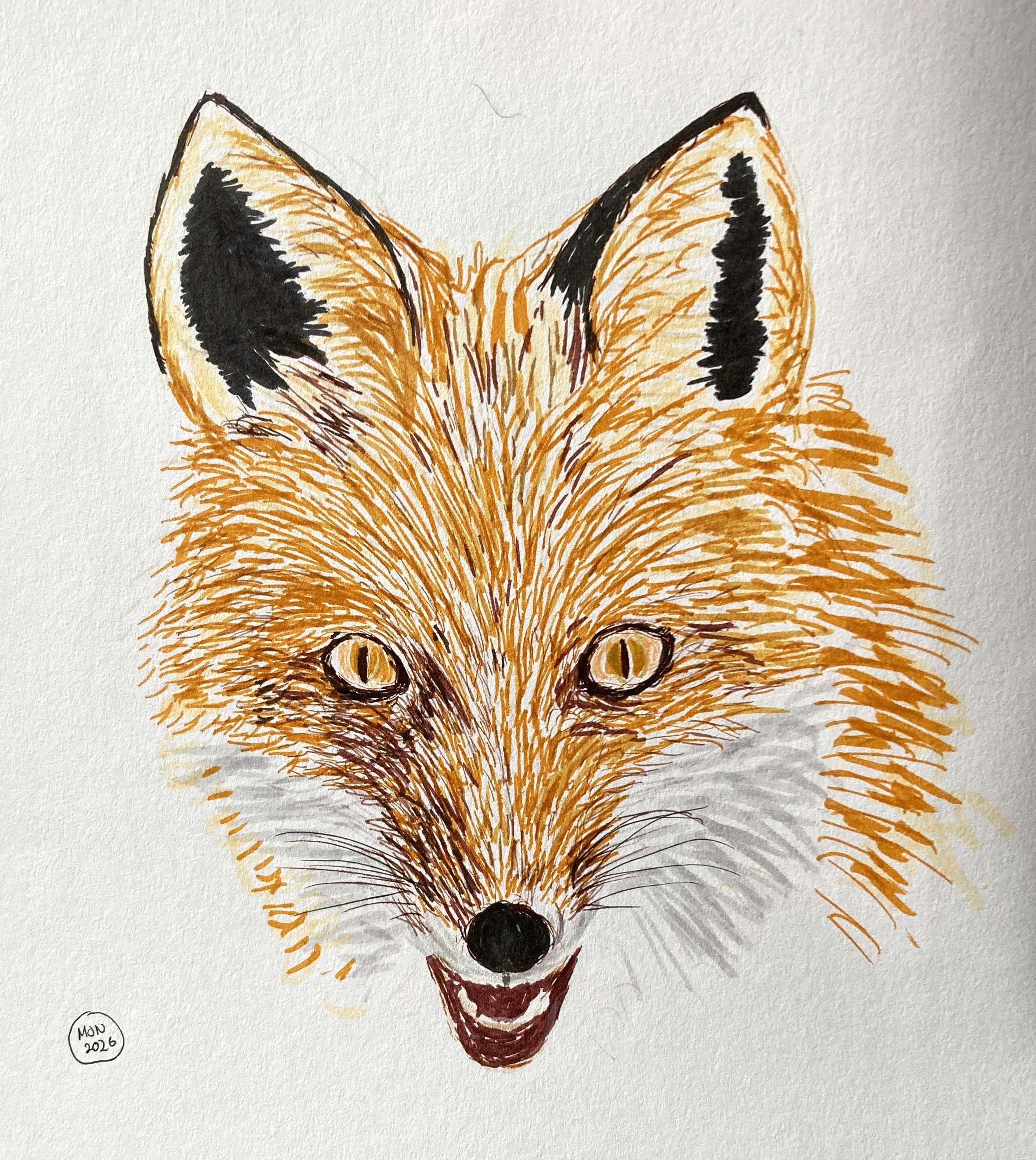
Because foxes were considered a threat to sheep, their introduction into New Zealand was banned in 1861.This did not stop Mr Charles Prince of Canterbury importing three in 1864, of which two, a male and a female, arrived in Lyttleton in excellent health. The foxes were released but failed to establish.
I don’t have a single reference for this, but just off the top of my head, there’s grey squirrel in Italy, the invasive seaweed Caulerpa off the Monaco coast and harlequin ladybird in the UK.
Very interesting - glad the need to protect their sheep motivated farmers to at least stop foxes coming to Aotearoa 😱 Yeah they are kinda cute on nature programmes, but dodged a bullet here, unlike Australia it seems. Didn't realise they had lost so many species 😢